Key Takeaways
- Low impact exercise protects your joints while keeping you strong, balanced, and mobile.
- Walking, tai chi, and water aerobics are gentle yet effective options for full-body movement.
- Chair-based exercises and yoga can help you build strength and flexibility at any fitness level.
- Consistency matters more than intensity, so starting slow and listening to your body is key.
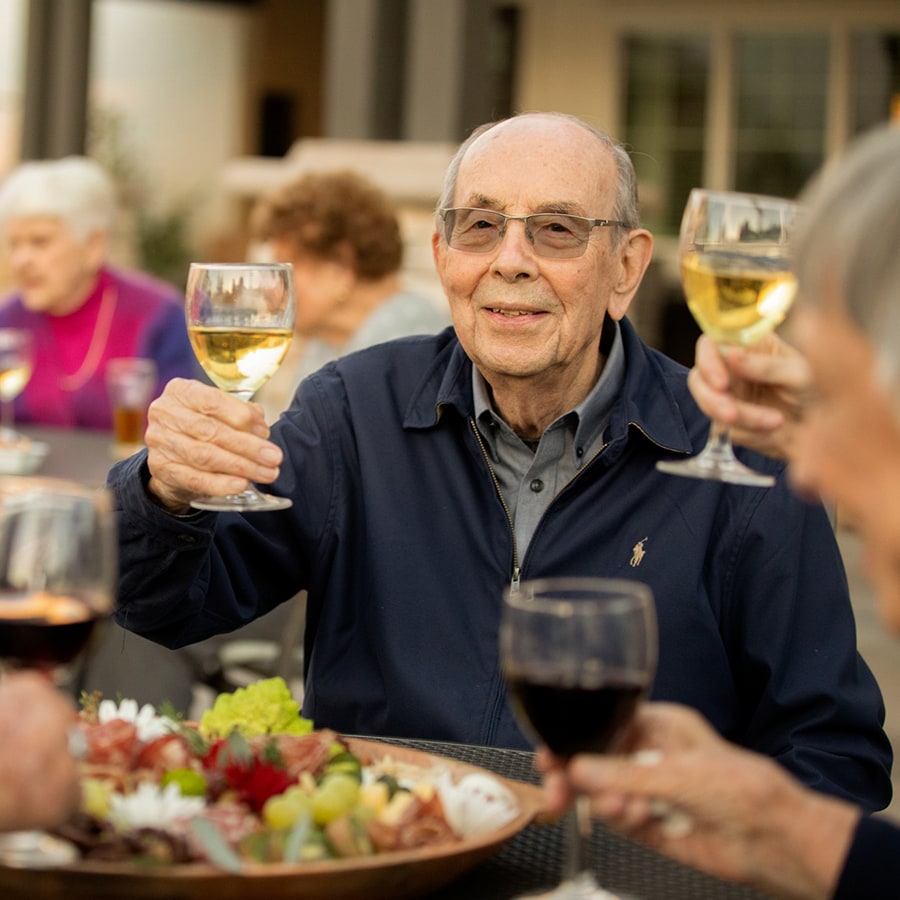
- A supportive community environment can make daily movement feel natural and enjoyable.
Why Low Impact Exercise Matters as You Age
Your body doesn’t need high intensity workouts to feel its best. In fact, pushing too hard can do more harm than good when your joints, muscles, and balance all benefit from gentler, more intentional movement. Low impact exercise gives you all the rewards of staying active without the strain.
The right movement routine can help you stay strong, feel more energized, and hold onto the independence that makes everyday life enjoyable. And with National Senior Health & Fitness Day on May 27, there’s no better time to build healthy movement habits that feel realistic and sustainable.
Top Low Impact Exercises to Try
Move Your Body, Protect Your Joints
Walking is one of the simplest things you can do for your health. It’s weight-bearing, which means it helps keep your bones strong, and it’s easy to adjust based on how you’re feeling each day. Even a short 10-minute walk outside can lift your mood and get your circulation going. Research supports walking as one of the most effective habits for long-term health in older adults.
Tai chi is another wonderful option. Its slow, flowing movements improve balance and coordination in a way that feels more like meditation than exercise. Tai chi moves designed for seniors can be especially helpful for building stability and reducing fall risk. Water aerobics gives you a full-body workout with the added bonus of water resistance, which means your joints stay completely supported the entire time.
Strength and Flexibility at Any Fitness Level
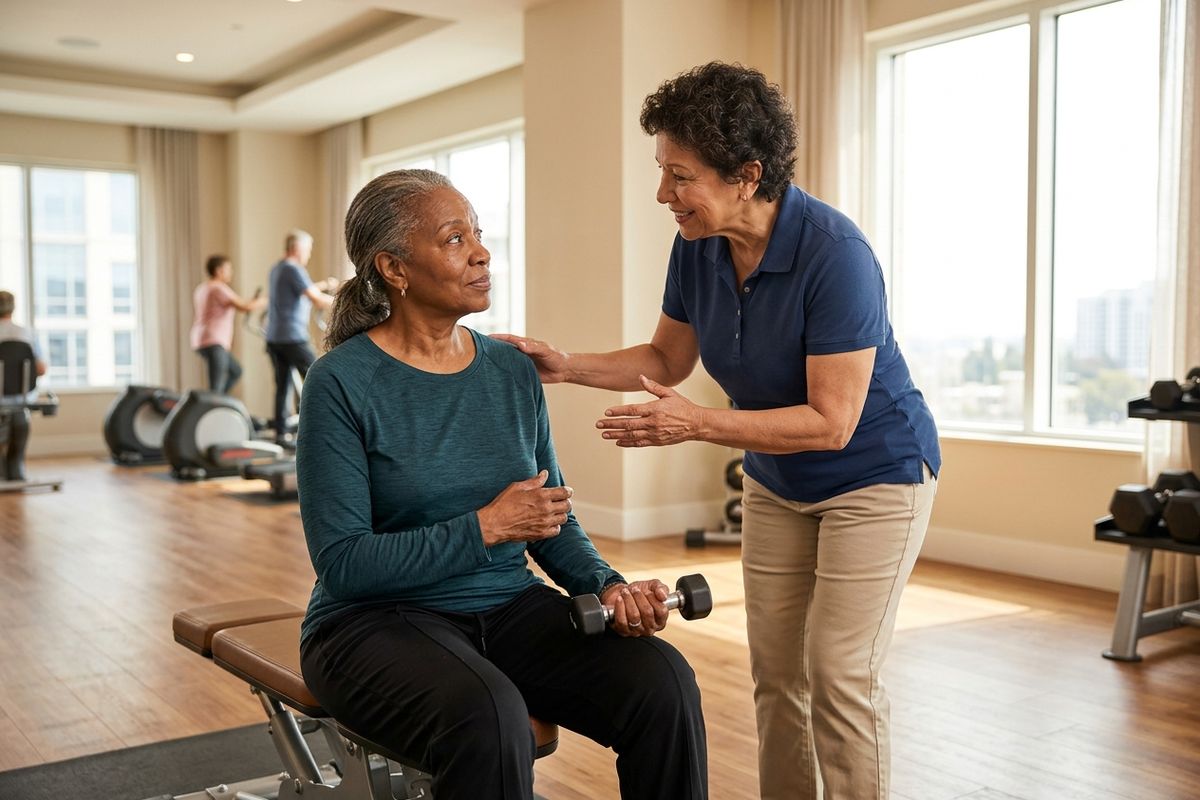
You don’t need a gym or heavy weights to build real strength. Chair squats and seated leg lifts target your lower body and help with the kind of functional strength you use when standing up, climbing stairs, or walking confidently. Wall push-ups and arm circles are equally effective for keeping your upper body toned and mobile.
Yoga and Pilates round out a well-balanced routine by focusing on your core, flexibility, and breath. A stronger core helps with posture and stability, which directly supports your balance and reduces the risk of falls. Chair yoga offers seated versions of traditional poses that fit any comfort level, making it easy to start wherever you are today.
Simple Tips to Exercise Safely and Consistently
Starting slow isn’t a sign of limitation. It’s actually the smartest way to build a routine that lasts. Your body adapts gradually, so giving it time to adjust helps you avoid soreness and stay motivated. A few minutes a day can grow into a consistent habit before you know it.
Pay attention to how your body feels during and after movement. Some muscle fatigue is normal, but sharp pain or dizziness is your body’s way of asking for a break. Proper form matters especially with strength moves, so moving intentionally and with control always beats rushing through repetitions. The National Institute on Aging recommends a mix of activity types to keep your whole body supported as you age.
How to Stay Active at Home Every Day
Easy Moves That Fit Into Daily Life
You don’t need a dedicated workout session to keep your body moving. Gentle neck stretches while sitting in your favorite chair or slow ankle rolls while watching TV are small habits that add up over time. These micro-movements help reduce stiffness and keep your joints feeling loose throughout the day.
Chair-based exercises are especially practical because they require no special equipment and can be done almost anywhere. Seated marching, leg extensions, and gentle torso twists are easy to layer into your morning or evening routine without any prep time at all. Staying consistent with these small moves can also support balance and stability over time.
What a Healthy Daily Routine Can Look Like
Aiming for around 30 minutes of movement most days is a realistic and rewarding goal. That doesn’t have to happen all at once. Three 10-minute walks or a mix of stretching in the morning and strength moves in the afternoon can count toward your daily total just as effectively.
Mixing cardio, strength, and flexibility throughout the week keeps things fresh and covers all the areas your body needs. A Monday walk, Wednesday chair yoga, and Friday water aerobics session is a simple example of how variety can keep you engaged and your whole body supported. You can also explore the Empowered Living philosophy to see how a lifestyle-first approach can make movement part of something bigger.
Stay Active and Thrive at Clearwater Beaverton
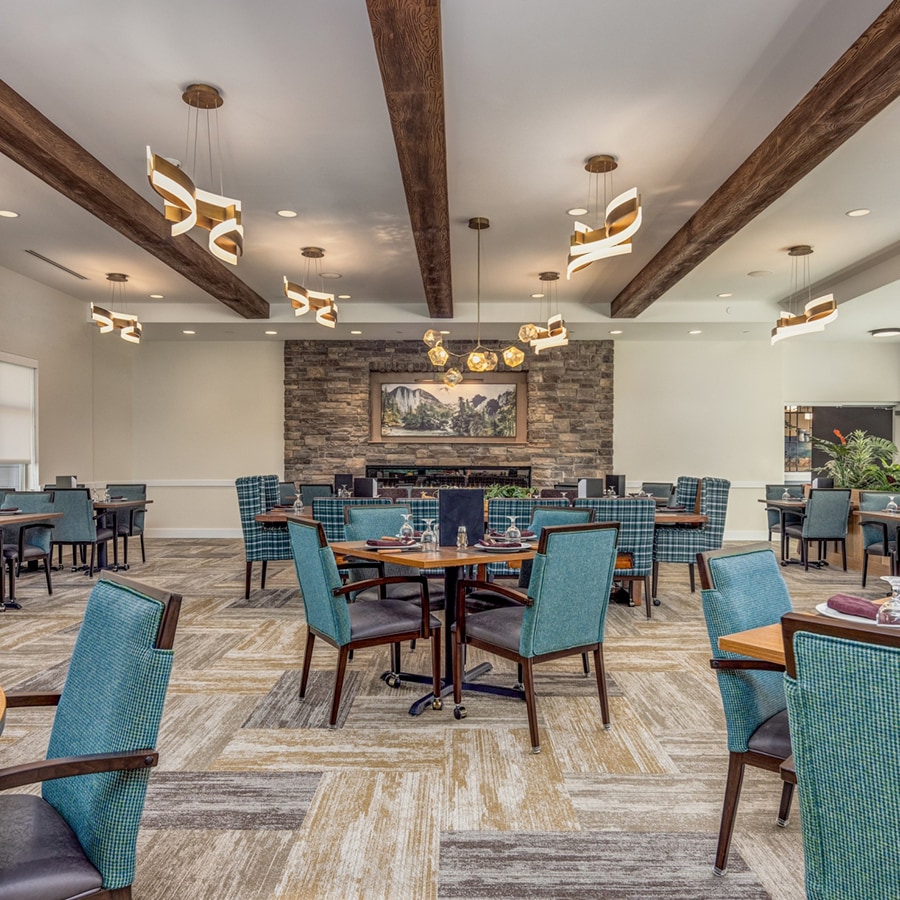
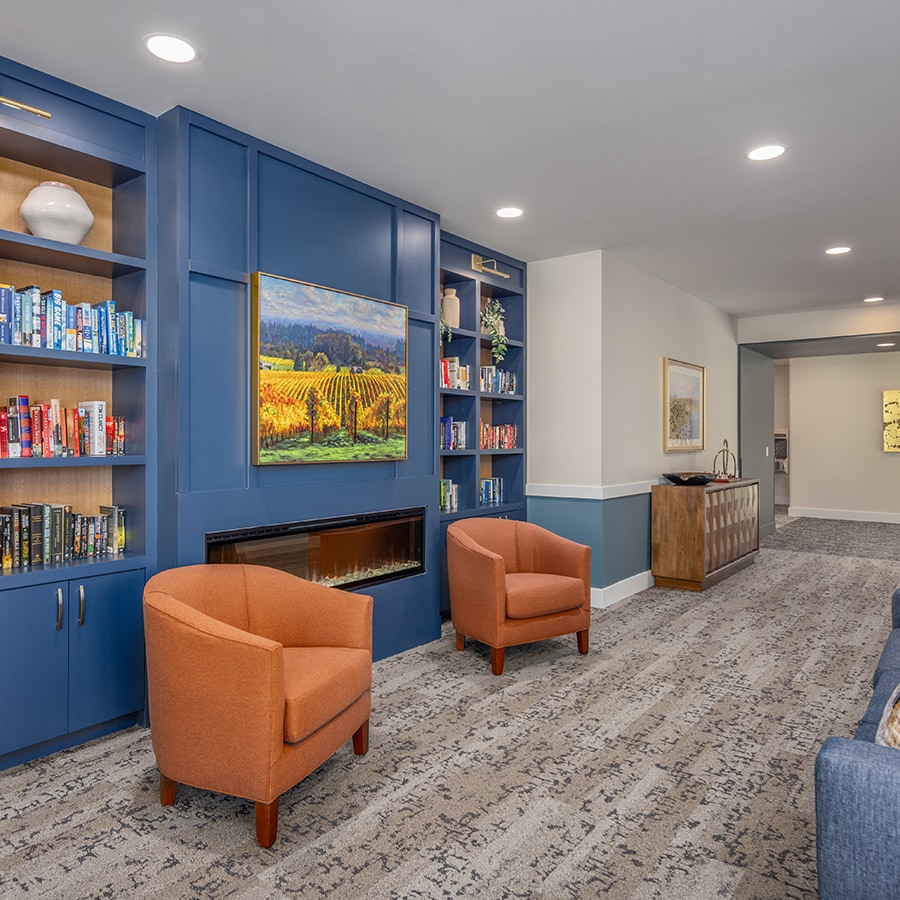
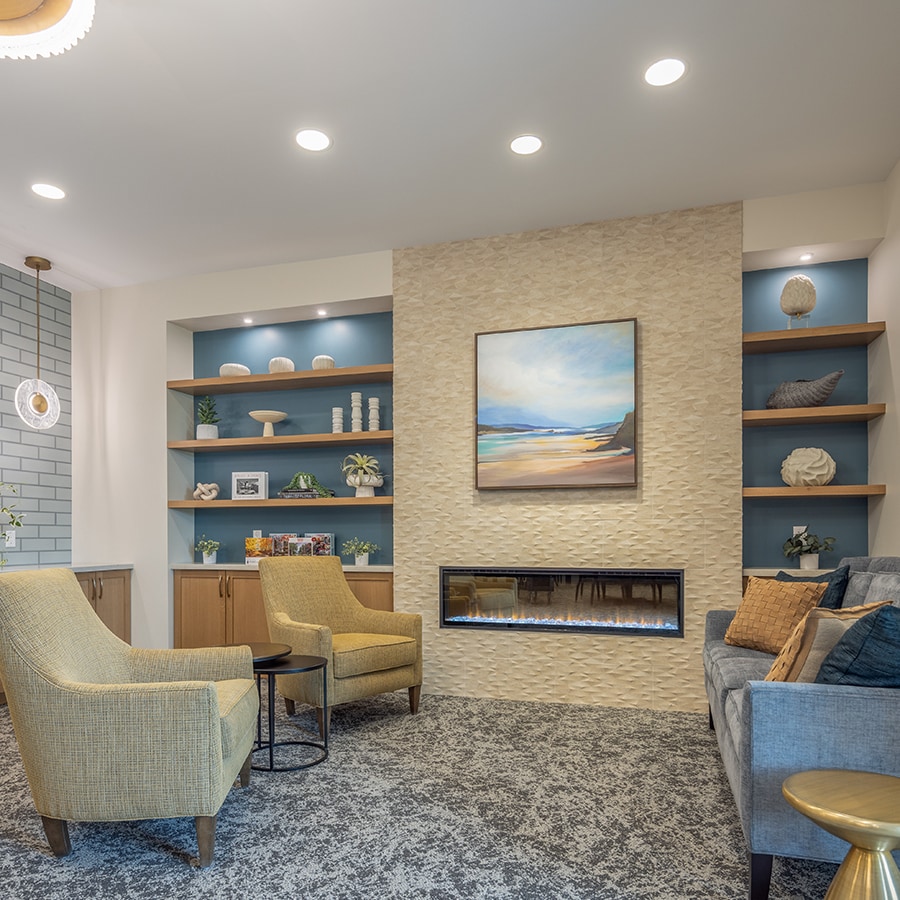
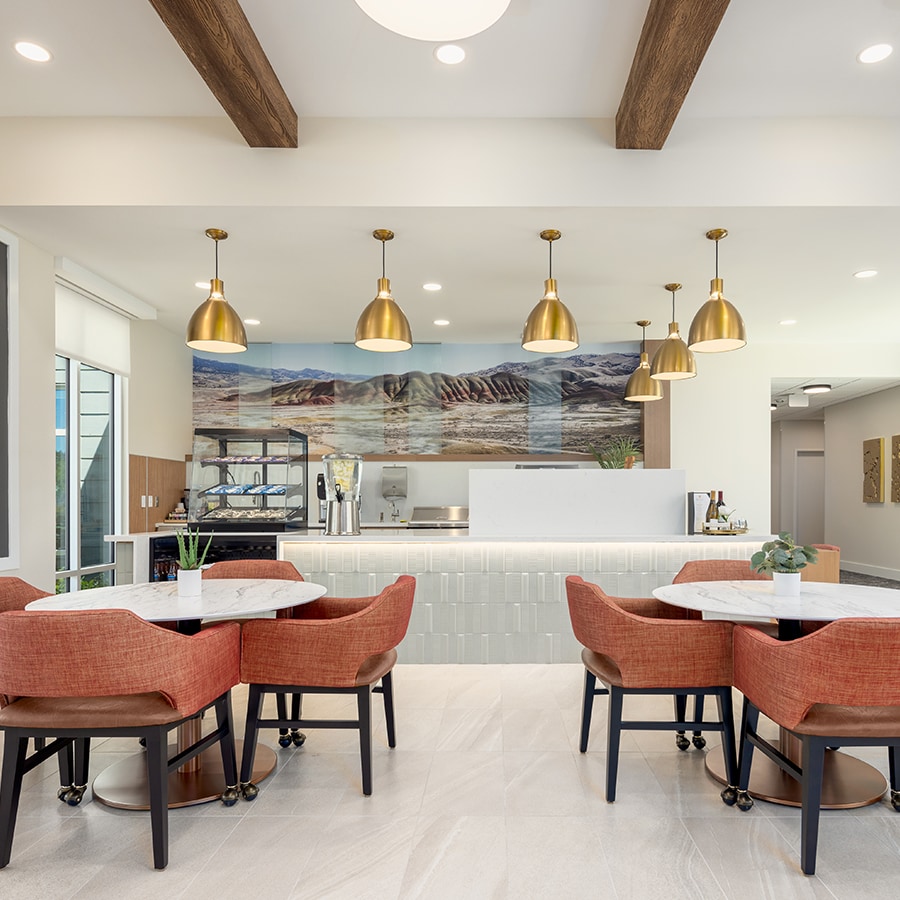
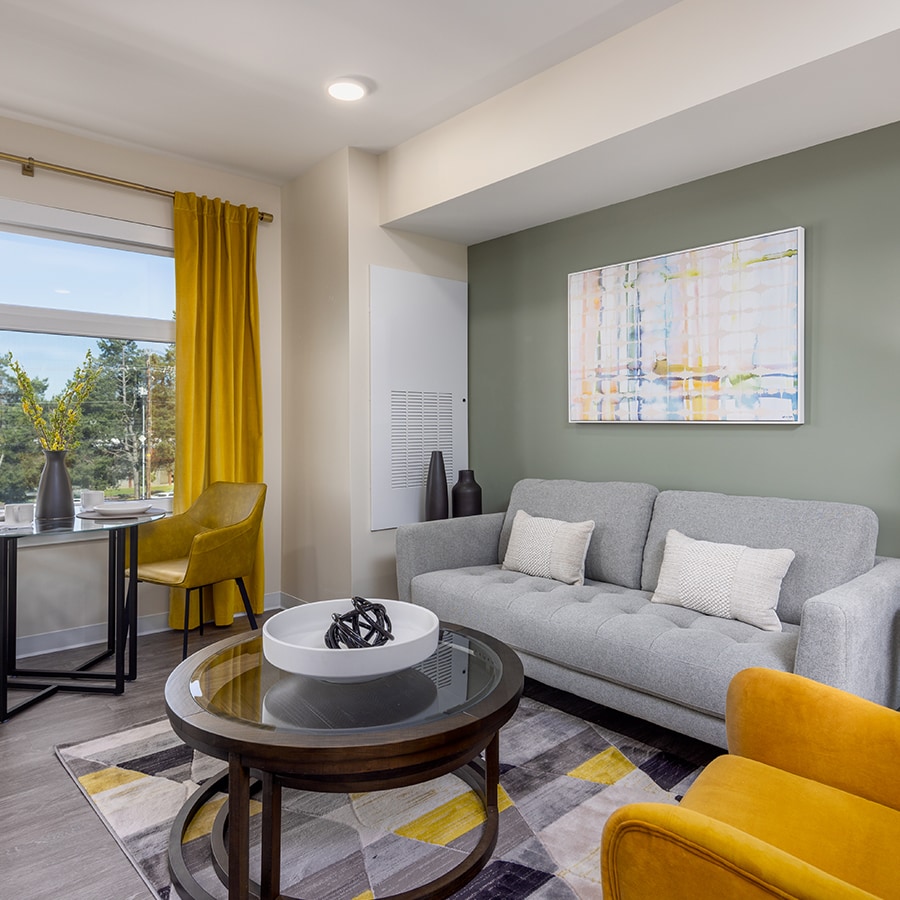
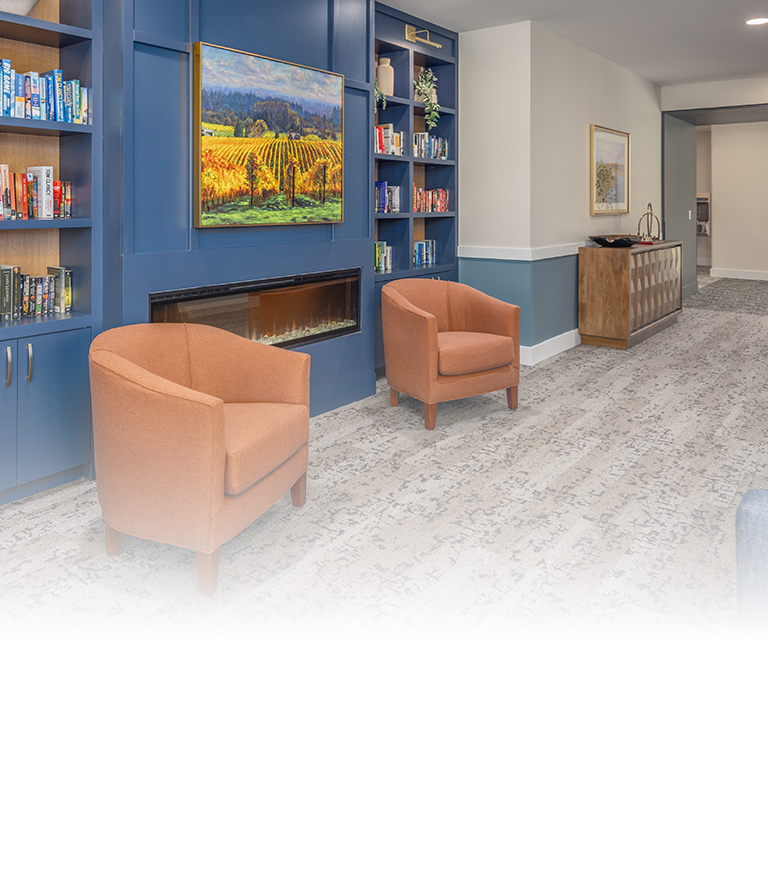
Movement is easier and more enjoyable when your environment supports it. At Clearwater Beaverton, residents have access to wellness programs, community spaces, and like-minded neighbors who make staying active feel like a natural part of the day rather than a task to check off.
Whether you’re exploring senior living, assisted living, or memory support options, a community that values holistic well-being can make all the difference. The right surroundings can help turn a daily walk or morning stretch into something you actually look forward to.