
Key Takeaways
- Inclusion in senior living means true belonging, not just accessibility.
- Thoughtful onboarding helps new residents feel seen and connected.
- Personalized care plans honor each resident’s background, values, and routines.
- Team members play a central role in fostering a people-first culture.
- Knowing what questions to ask on a tour helps you find a community that truly walks the walk.
What Inclusion in Senior Living Really Means
You want more than a place to live. You want a place where you feel like you belong, where your identity is honored and your presence is celebrated. That’s the difference between a community that just checks boxes and a welcoming senior living community that genuinely embraces every person who walks through the door.
In senior living today, inclusion means every background, identity, ability level, and life story is welcomed with intention and warmth. It shows up in the daily rhythms of community life, from how new residents are greeted to how LGBTQ+ affirmation is woven into the culture year-round, not just during Pride Month. That’s the heart of what Empowered Living looks like in practice, and it happens for every lifestyle, including independent living, assisted living, and memory support.
How a Welcoming Environment Takes Shape Every Day
Warm Arrivals and Thoughtful Onboarding
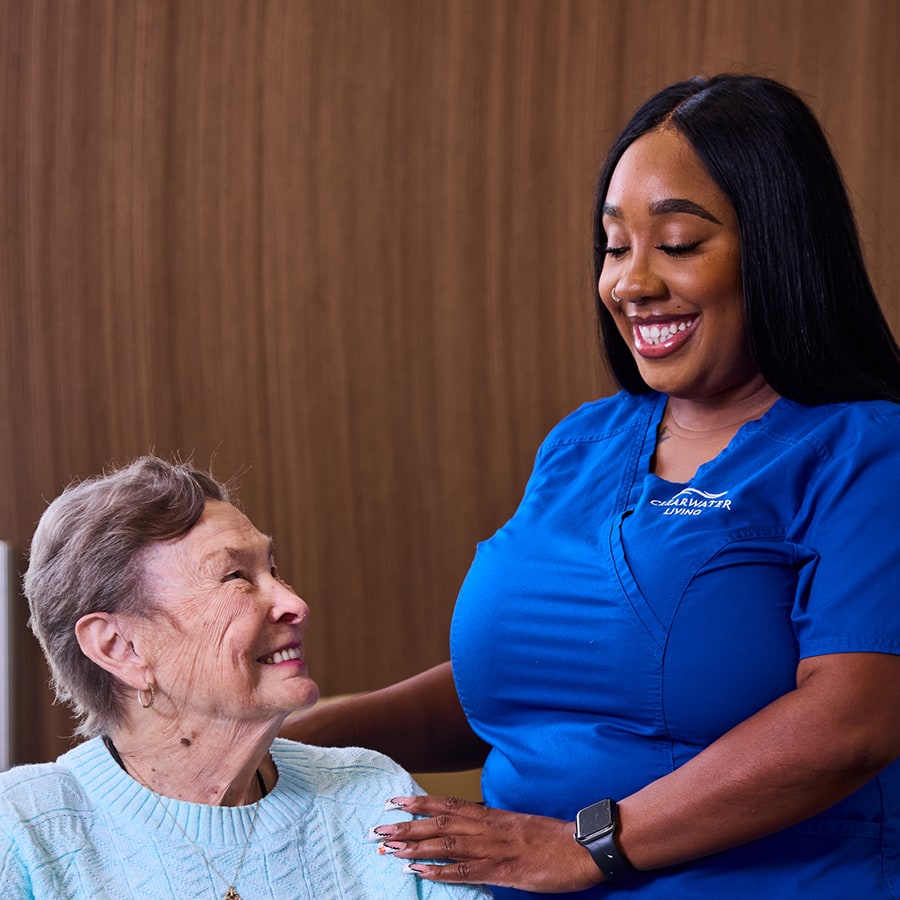
The first few days in a new home set the tone for everything that follows. In truly inclusive senior living communities, new residents don’t just receive a room key. They receive a personal welcome that reflects who they are, their name, their preferences, and the details that make them unique.
Team members take the time to learn each resident’s life story, favorite meals, and daily routines. That kind of attention turns a new environment into a familiar one, faster than you might expect. Those early bonds matter more than you’d think, shaping long-term comfort and a genuine sense of belonging.
Spaces Designed for Connection
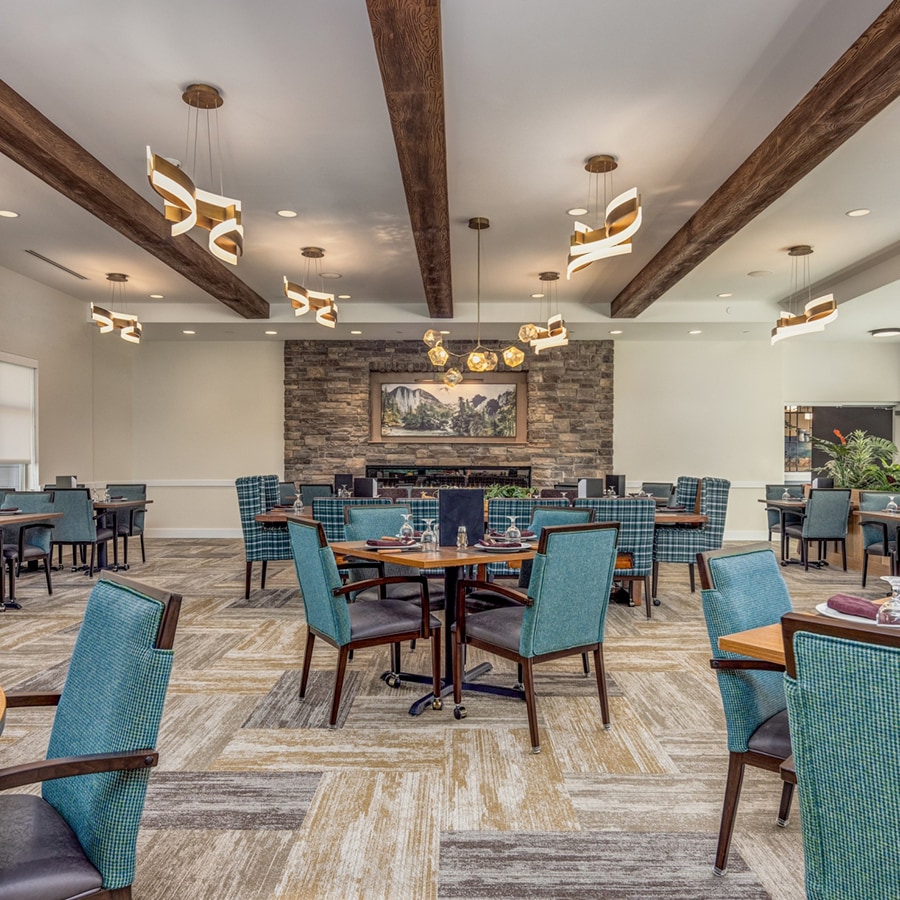
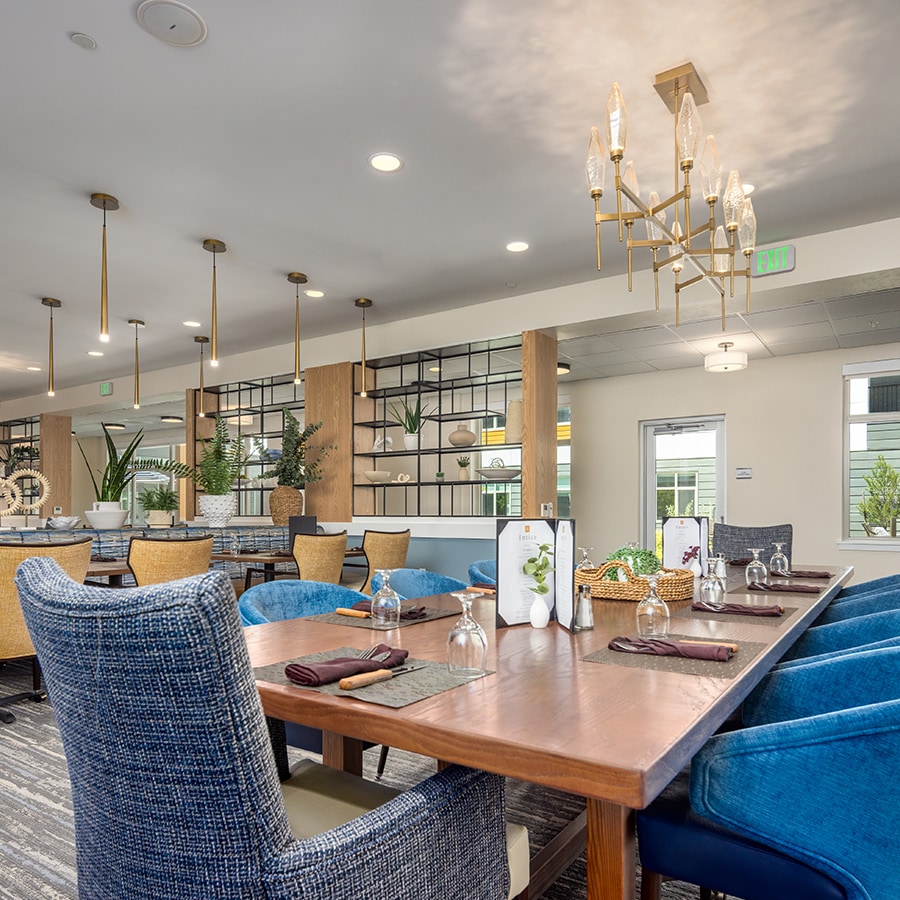
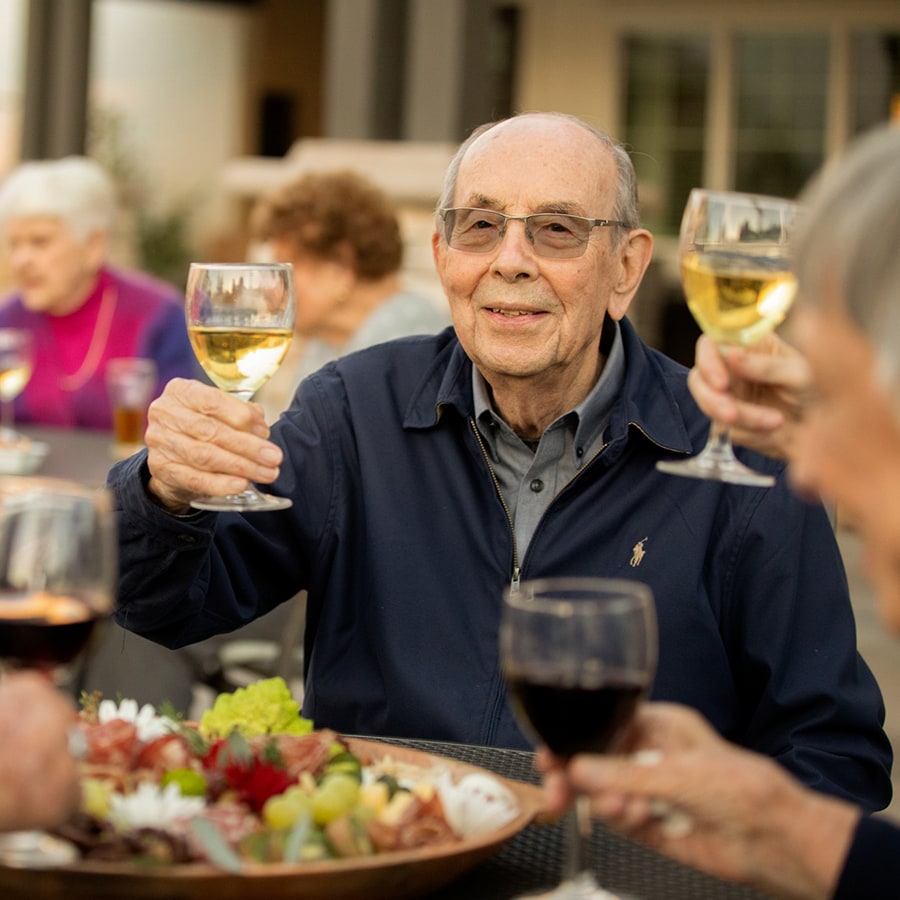
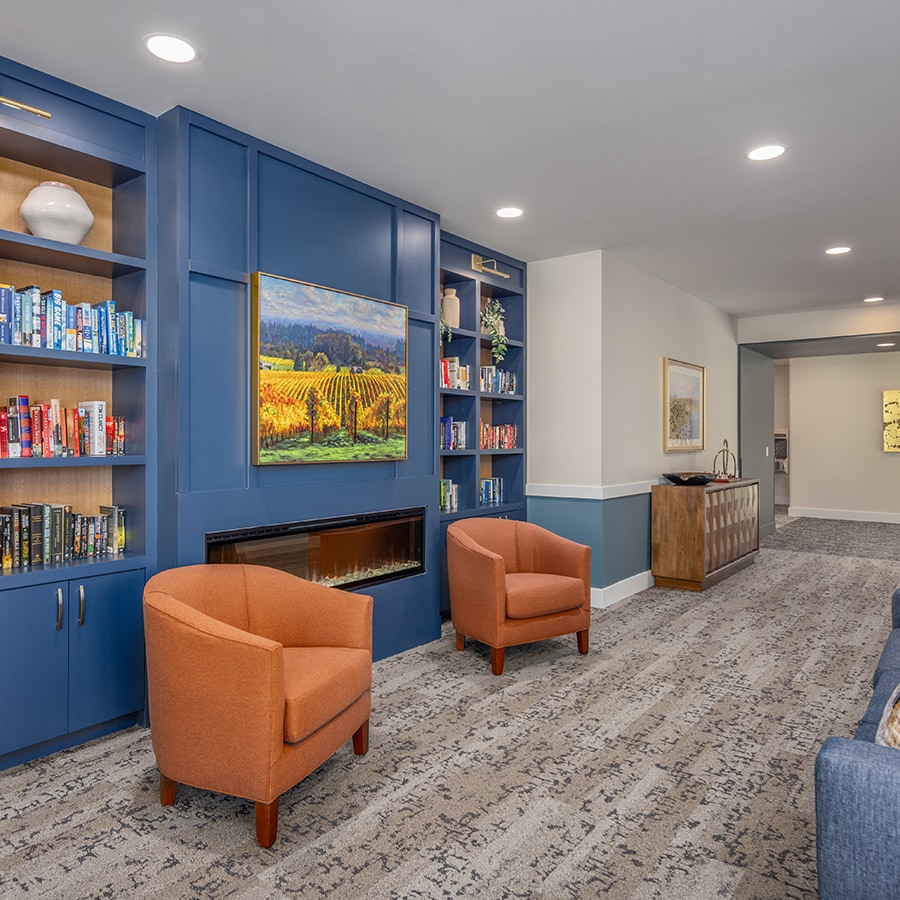
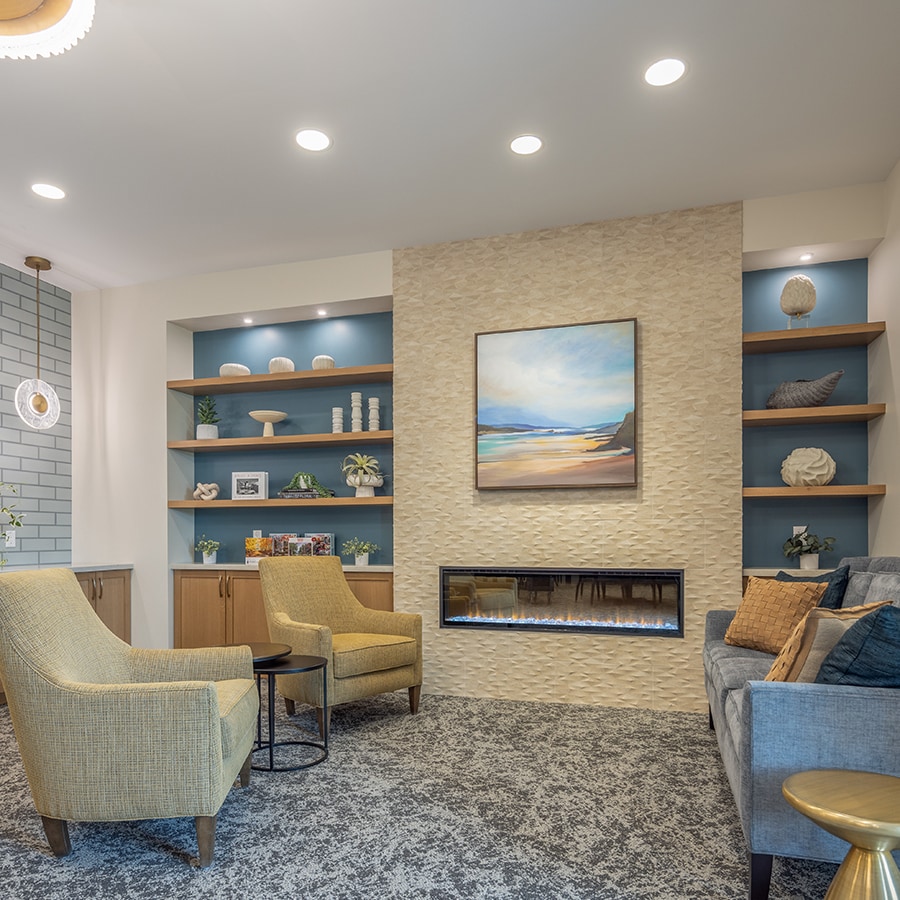
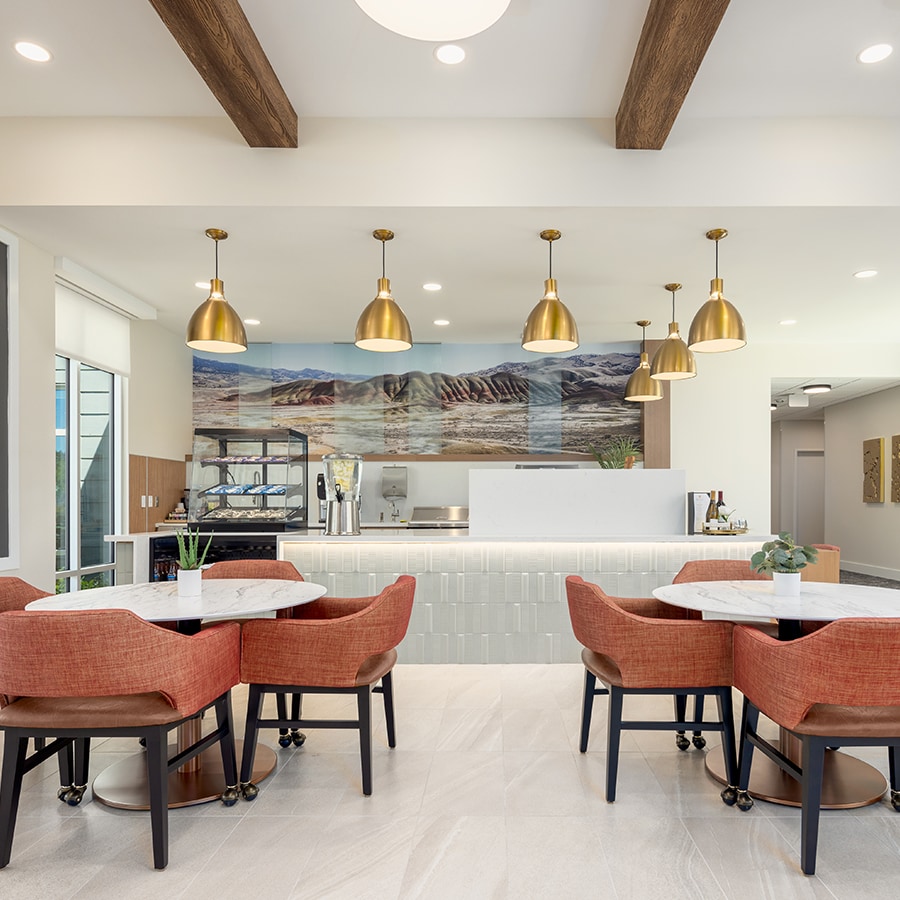
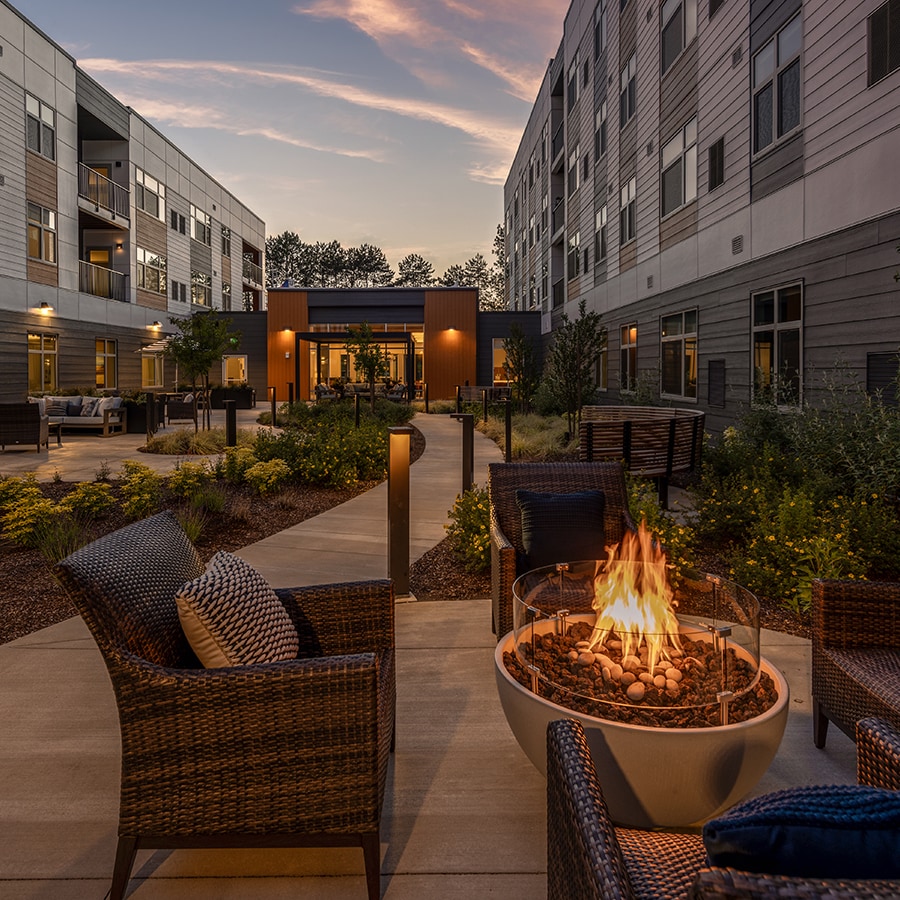
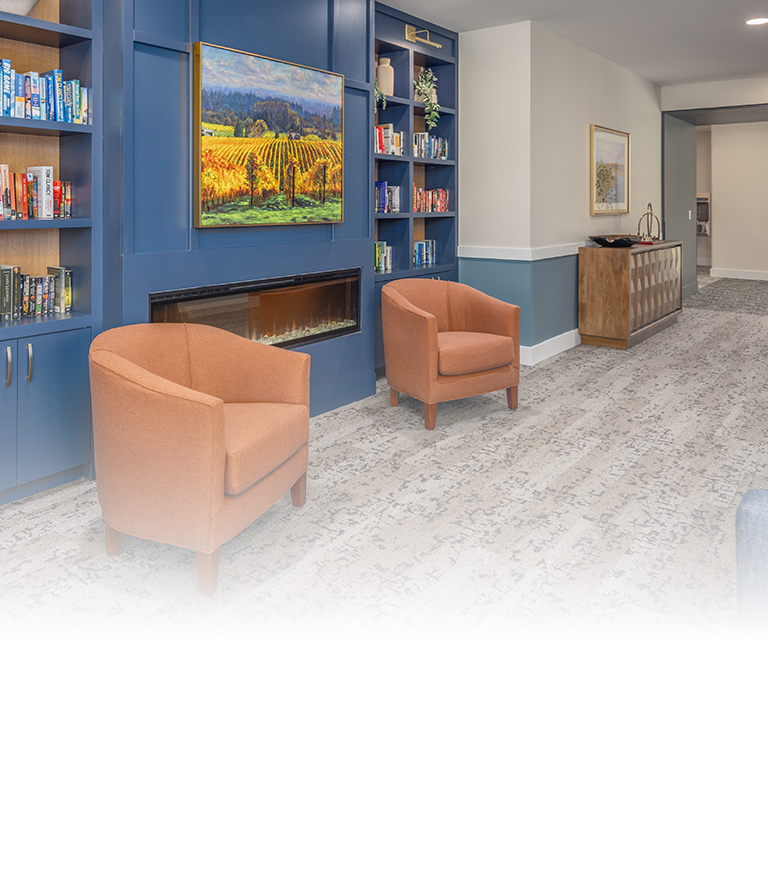
The physical layout of a community says a lot about its values. Common areas that invite conversation, comfortable seating that encourages lingering, and gathering spots designed for shared moments all signal that connection is a priority. At the same time, private spaces are respected, because belonging doesn’t mean being around people every minute.
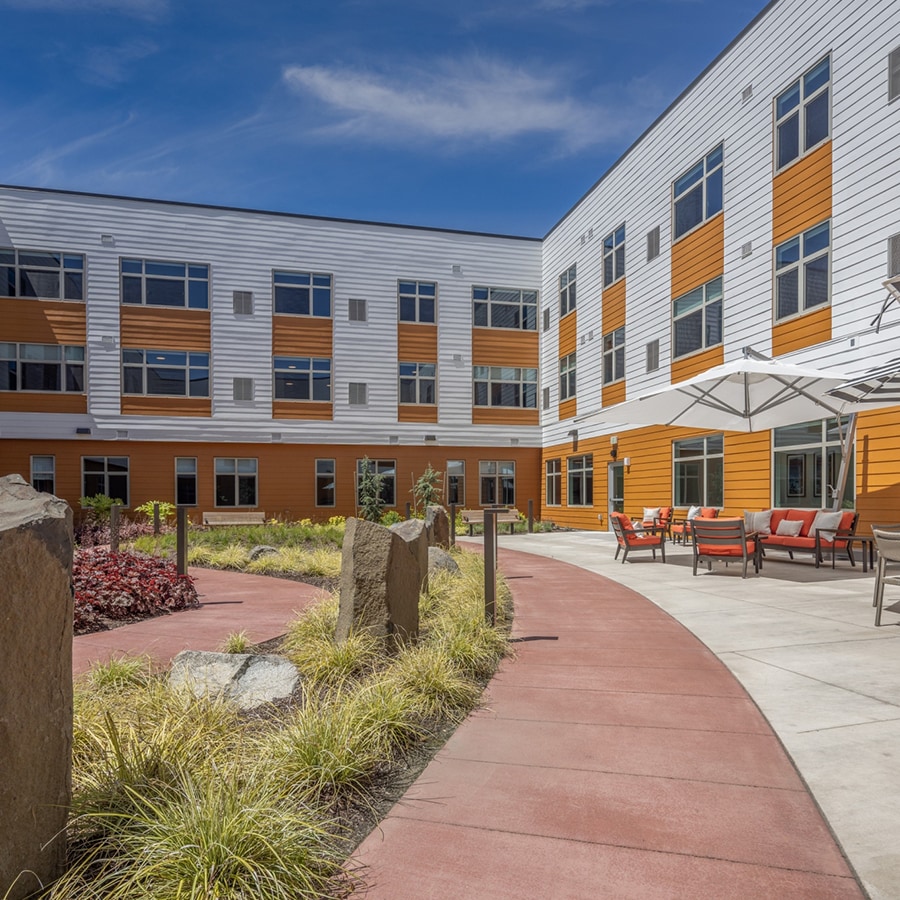
When independent living, assisted living, and memory support share a campus thoughtfully designed for warmth, residents at every level of care can feel equally at home.
Culture, Identity, and Belonging in Assisted Living and Memory Support
Honoring Each Resident’s Unique Background
Food is culture. Traditions are identity. When a community serves meals that reflect residents’ heritage and marks celebrations that matter to them, it sends a clear message: your life before this chapter matters here, too.
Personalized care plans in assisted living and memory support go beyond health needs. They reflect values, routines, and the small daily rituals that make someone feel like themselves. For residents in memory support especially, familiar cultural touchpoints can spark recognition, comfort, and connection in meaningful ways. Person-centered approaches make a real difference in daily comfort and how at ease someone feels in their environment.
Meaningful Social Activities That Bring People Together
Activities that resonate go beyond bingo and movie nights. Inclusive communities build programming around cultural heritage, faith traditions, and shared interests that reflect the actual people living there. Resident-led storytelling, community-driven events, and celebrations tied to meaningful dates give everyone a chance to contribute, not just participate.
When you feel like your story shapes the community, you’re not just a resident. You’re part of something that belongs to you. Exploring the community events calendar can give you a real sense of how that comes to life week to week.
How Team Members Foster a People-First Community
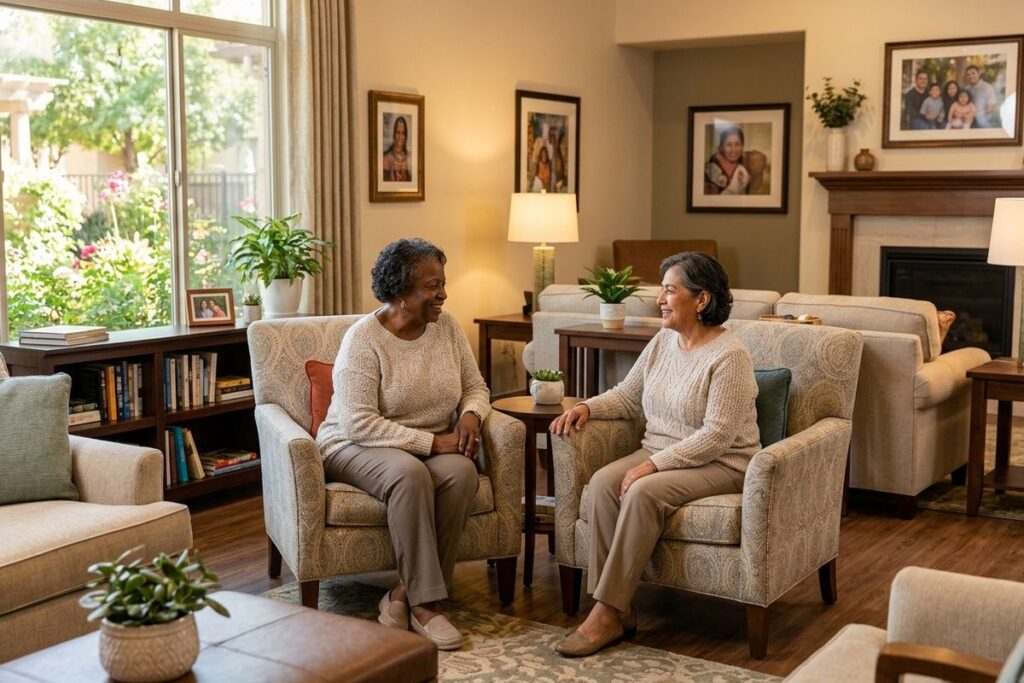
The culture of any senior living community lives in its people. Team members who use respectful, dignified language in every interaction set a tone that residents feel immediately. It’s not just about being polite. It’s about communicating that each person’s dignity is non-negotiable.
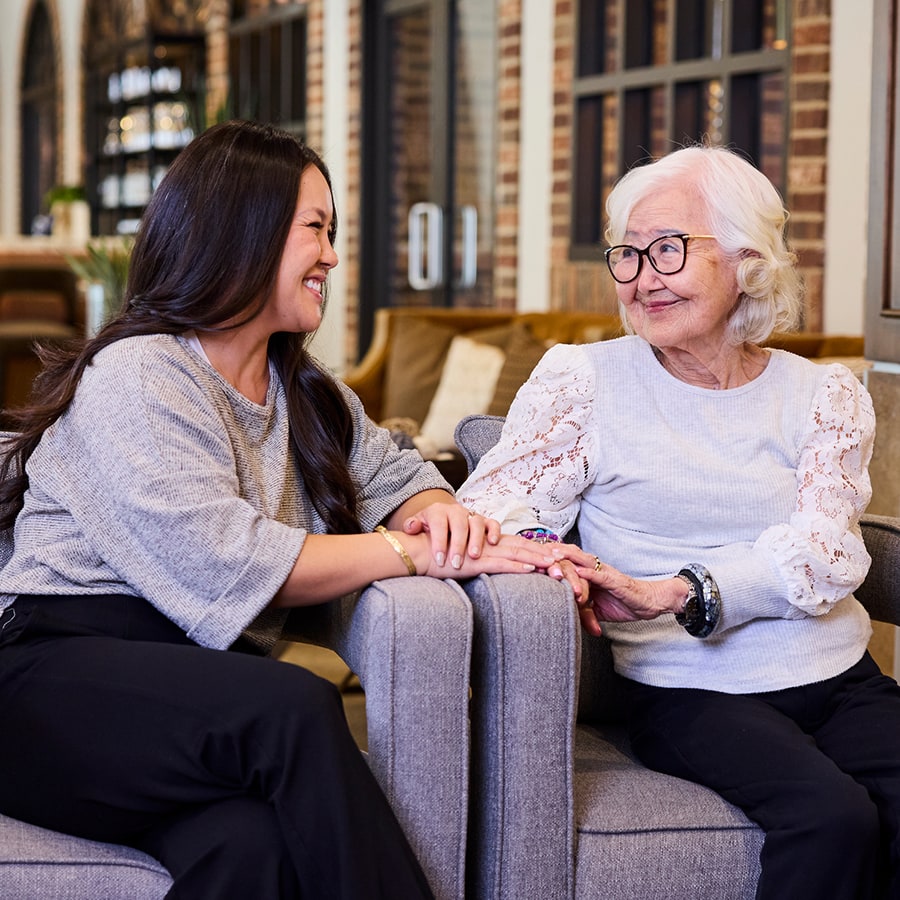
Team members also play an active role in connection, introducing residents to neighbors, noticing who might benefit from a new friendship, and bridging the gap between someone who’s new and a community that’s ready to welcome them. The quality of those daily connections shapes how people truly feel about where they live.
What to Look for When You Choose a Senior Living Community
Questions Worth Asking on Your Tour
A tour gives you more than a look at the building. It gives you a feel for the people and the culture. Come prepared with questions that go below the surface.
Ask how the community celebrates diversity and identity. Ask what the senior living experience actually covers day to day. Ask how care plans are personalized for residents from different backgrounds. The answers you receive, and the energy behind them, will tell you a lot about whether this is a place where you or your loved one will truly thrive. Reviewing a full list of services and amenities ahead of your visit can help you ask sharper, more informed questions.
Signs a Community Truly Walks the Walk
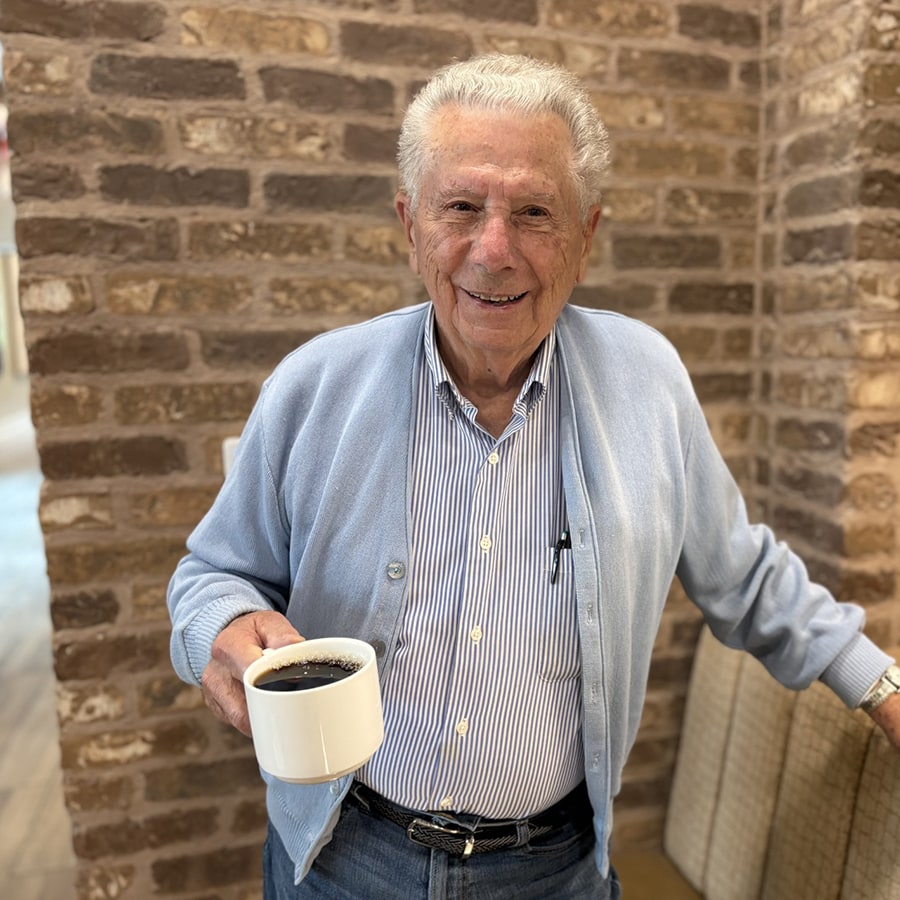
Look for residents from varied backgrounds who seem genuinely at ease. Notice whether team members greet people by name and with warmth. Pay attention to the programming calendar and whether it reflects a range of traditions and interests.
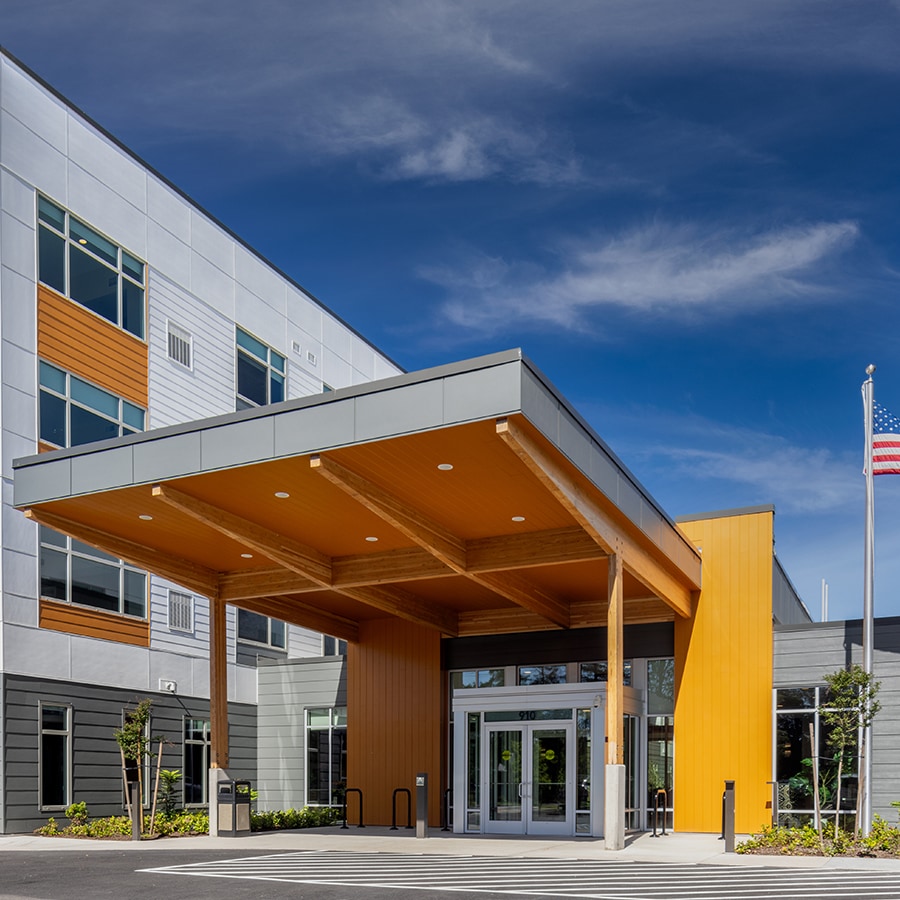
Trust your instincts. A community that’s truly inclusive feels different the moment you walk in. Clearwater Beaverton is built on exactly that kind of warmth, where every resident is seen, every story matters, and belonging is part of daily life. Contact us today to schedule a tour and learn more.