Key Takeaways
- Functional fitness uses movements you already make, like squatting, reaching, and stepping.
- Steady practice supports strength, balance, and easier days at home.
- Five simple moves can be done with body weight or light hand weights.
- Start with eight to ten reps, twice a week, and build from there.
Everyday Strength Starts With Everyday Movement
Maybe the laundry basket feels heavier than it used to. Or getting out of a low armchair takes an extra push with both hands. Fortunately, these tasks can be made easier when you start practicing functional fitness, a habit that can become a routine on October 28th during National Senior Health and Fitness Day.
Functional fitness trains the ordinary motions that fill your day. Over time, standing, lifting, reaching, and stepping feel steadier and more comfortable.
You can start a new, active lifestyle today. Celebrate your movement journey this October 28th by joining a group fitness class or inviting a friend on a neighborhood walk.
What Functional Fitness Means for Daily Life
Functional fitness isn’t a separate skill you learn in a gym. It’s practice for movements you make between breakfast and bedtime. Think squats, lifts, reaches, twists, and steps.
What makes these moves useful is how much they cover at once. A single squat asks your legs, hips, and core to work together. The same happens when you rise from the couch. You’re not isolating and training one muscle. You’re rehearsing real life.
Why Functional Movement Matters as You Age
As we age, strength, balance, and range of motion can shift. Functional movement gives all three regular attention helping to reduce the risk of falls and injuries. And that helps support the independence you want at home.
Steady balance is crucial for lowering the risk of falls. When your legs respond quickly and your core holds you upright, an uneven sidewalk feels far less intimidating.
Everyday Tasks That Get Easier
The payoff tends to show up in genuine, often unnoticed moments of life. You might notice it the first time you carry both grocery bags in one trip.
- Standing up from a chair without pushing off the armrests
- Carrying groceries from the car to the counter
- Reaching a high shelf for the good serving bowl
- Stepping up a curb without pausing first
5 Functional Fitness Exercises to Try
Each of these mirrors something you already do. Move at a pace that feels comfortable. And keep a chair or counter nearby for support.
- Half squat. Stand in front of a chair and lower yourself partway toward the seat. Then rise back up without fully sitting down. This allows you to lower into and rise from a chair with confidence.
- Overhead press. Hold light weights at shoulder height and press them straight up. That’s the same motion as putting away a cereal box on a high shelf.
- High-knee balance. Hold the back of a chair, lift one knee toward your waist, then hold for a few seconds before switching sides. It builds the steadiness for daily walking.
- Farmer’s walk. Carry a weight in each hand and walk about 20 feet. The strength it builds can help you on grocery runs.
- Step-ups. Step up onto a low, sturdy step and then back down, one foot at a time. This is how you can climb the stairs to reach your friend’s apartment.
Simple Equipment Options
You don’t need a home gym. Bodyweight alone works fine for squats, balance holds, and step-ups.
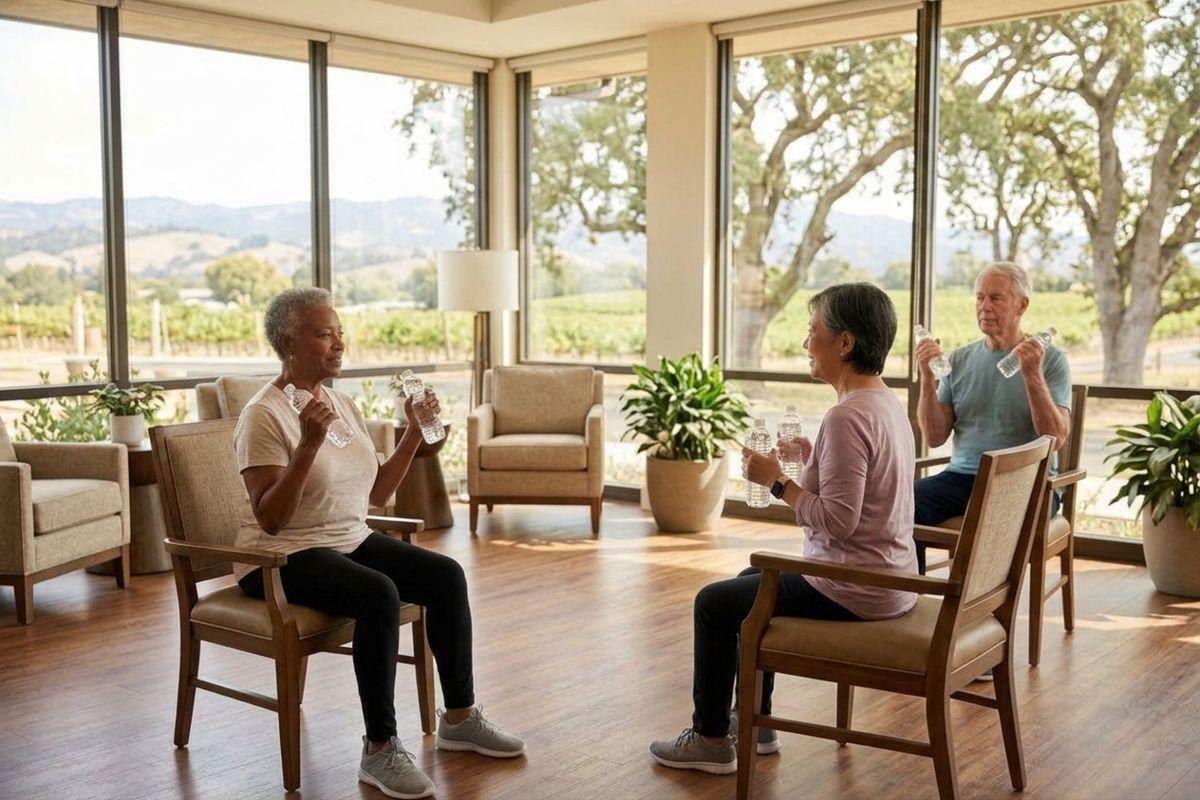
When you’re ready for more, hand weights and resistance bands can add gentle challenge. Full water bottles work well too, and they’re already in the kitchen.
How to Start and Stay Consistent
Pick the moves that feel challenging to you right now. If half squats leave your legs working and your breathing a little quicker, that’s the right starting point.
Begin with 8 to 10 repetitions of each exercise. Aim for two sessions a week, spaced apart so your body has time to rest between them.
Consistency does more than intensity here. Short sessions that you stick to every week are worth far more than one intense workout session that fazes you.
Anchor the habit to something you already do. Exercises after your morning coffee, or before your shower, tend to come off as less of a chore.
Signs to Ease Up
Tired muscles are normal. A little heaviness in your legs the next day is usually not something you need to worry about. However, sharp or lingering pain is different. And it’s a signal to adjust.
When something feels wrong, swap the move for a gentler version or lower the resistance. You can always build back up.
Movement, Connection, and Life at Clearwater Beaverton
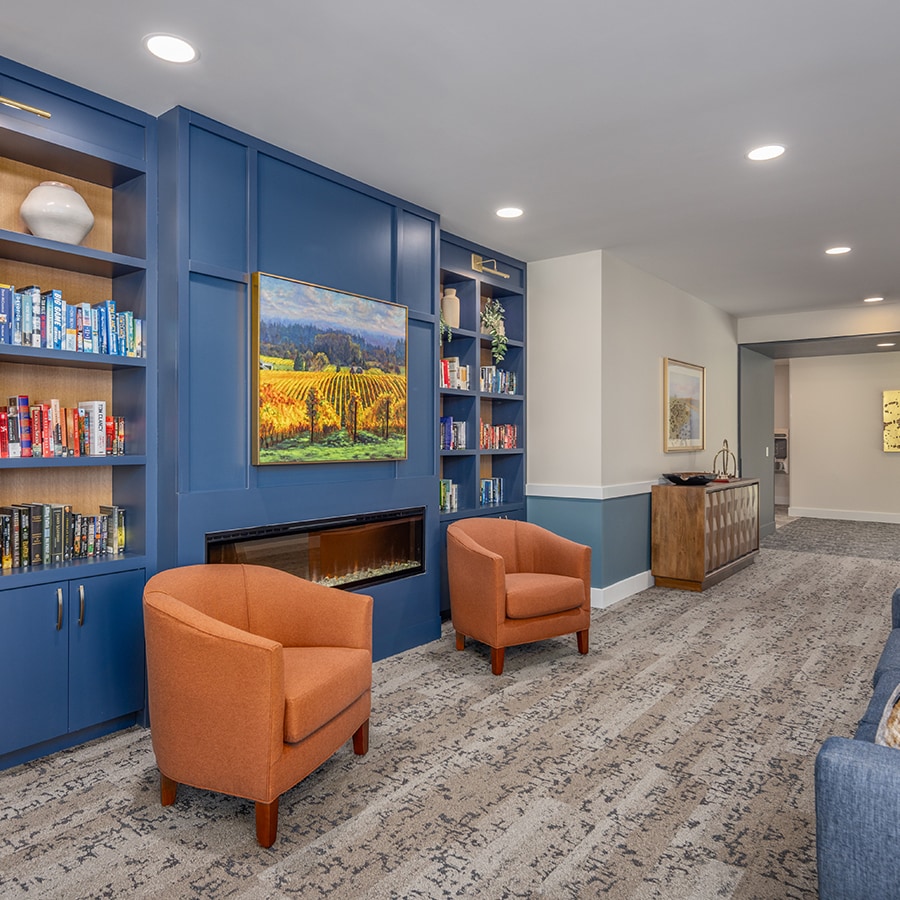
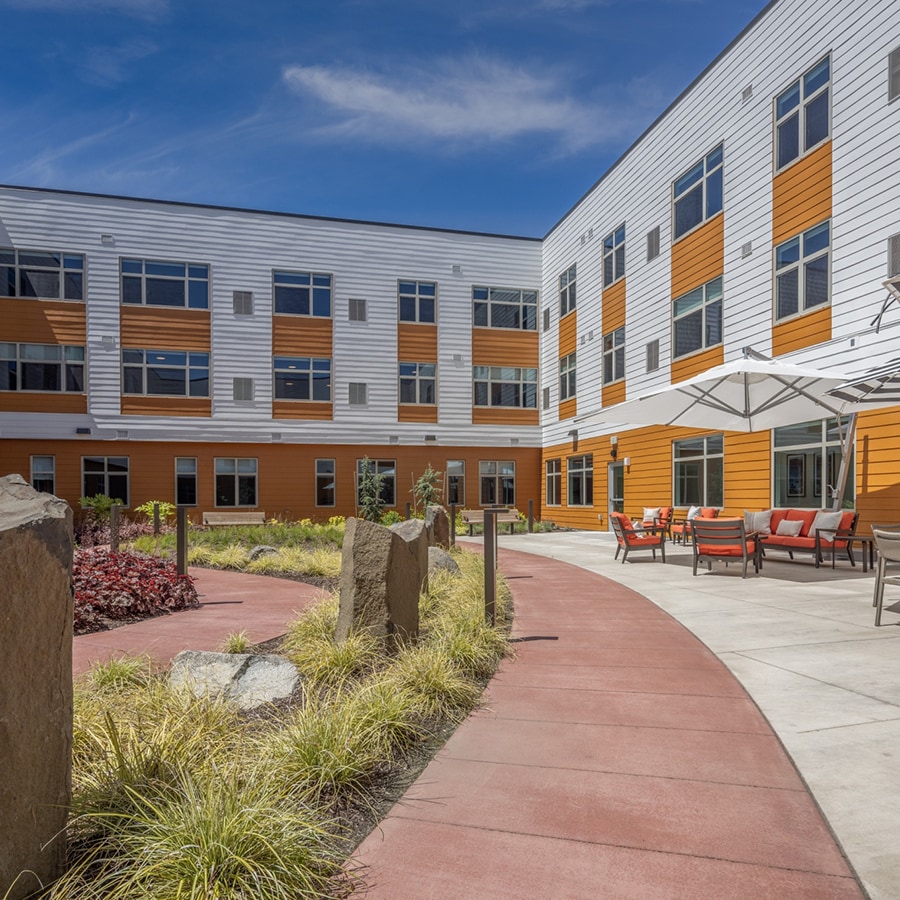
Exercise is easier when it doesn’t feel like a responsibility. At Clearwater Beaverton, fitness programs are built into the rhythm of daily life. You can stay active while enjoying great food and great company. Strolls through the quiet Oregon surroundings are simply more pleasant when you can share a conversation with friends.
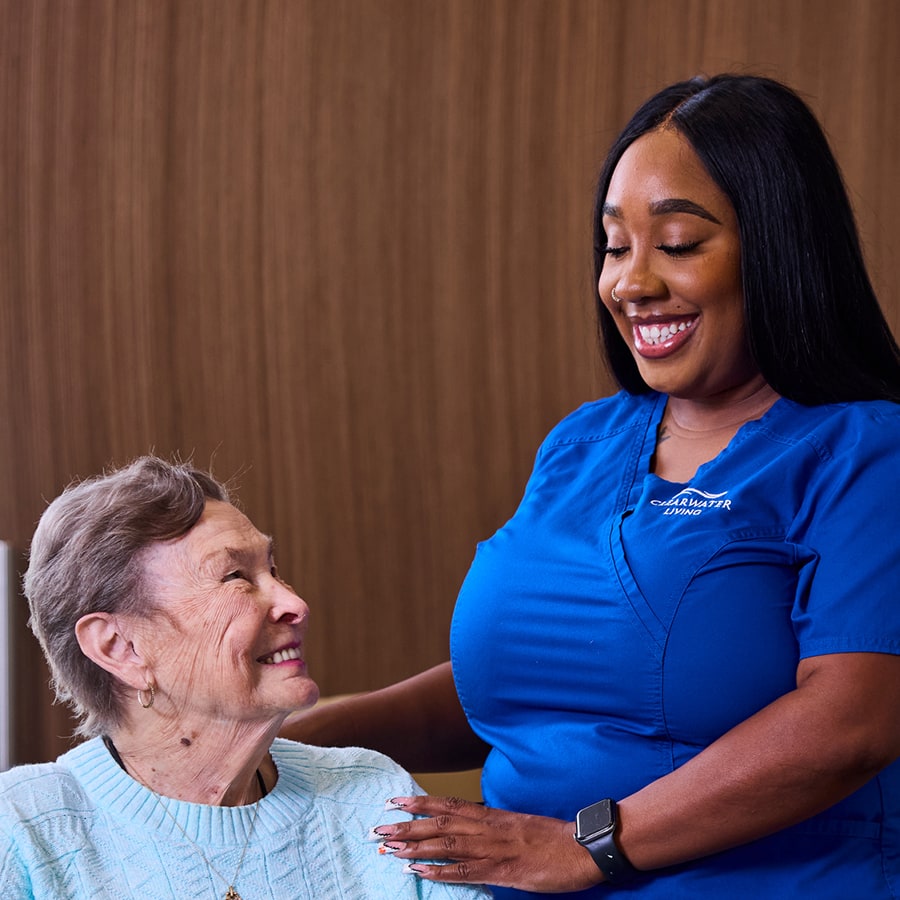
Our team learns your goals. Maybe you want to carry your own groceries or keep up with your grandchildren at the park. That personal attention carries across independent living, assisted living, and memory care. Support should fit the person rather than the other way around.
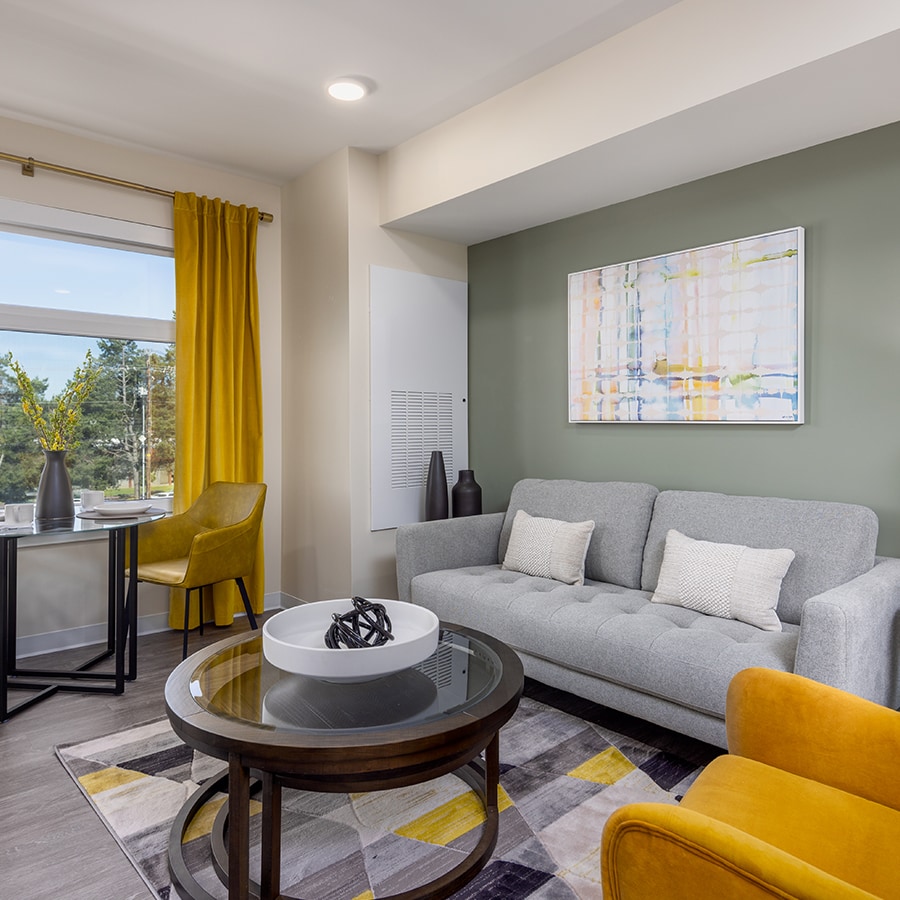
Reach out to us today to schedule a visit. You can meet our team and see how senior living here can help you stay active. We’d love to show you how our community brings you bright, vibrant days.